




Can Dining Be Personal? The Ayurvedic Restaurant Approach to Food and Doshas
Have you ever eaten a meal that felt just right for you? You felt comfortable, satisfied, and ready to continue your day. That experience can change how you think about dining. An Ayurvedic restaurant brings this idea to the table by connecting food choices with your lifestyle, preferences, and the Ayurvedic concept of dosha.
Instead of treating every meal the same, Ayurveda considers your unique prakriti, or natural constitution. Ingredients, spices, drinks, and cooking styles all play a role in shaping a meal. At Café Swasthya, food-inspired wellness ideas meet modern dining in a welcoming setting.
How an Ayurvedic Restaurant Connects Food With Prakriti
Ayurveda emphasises balance rather than following one strict food rule. A varied menu can offer ingredients and flavours to suit different preferences while helping you build balanced eating habits.
- Fresh vegetables: Seasonal vegetables add dietary fibre, vitamins, minerals, and natural colour to meals.
- Whole grains: Ragi, wheat, barley, and other grains provide carbohydrates and, depending on the grain, dietary fibre.
- Protein-rich foods: Dal, sprouts, paneer, and chickpeas contribute protein and other important nutrients.
- Ayurvedic spices: Ginger, cumin, fennel, cardamom, turmeric, and cinnamon add aroma and flavour and feature in many Ayurvedic food traditions.
- Dietary fats: Ingredients such as ghee, nuts, seeds, and olive oil add flavour, texture, and fats to meals.
- Dosha-inspired choices: Some dishes and drinks can be adapted with different herbs and spices according to personal preferences and Ayurvedic practices.
As a result, dining becomes more than simply choosing something tasty. It can be an opportunity to explore ingredients, flavours, and food choices that suit your preferences.
From Ayurvedic Wisdom to Modern Restaurant Menus
An Ayurvedic-inspired restaurant can make everyday dining interesting by offering familiar dishes with thoughtfully selected ingredients. At Café Swasthya, explore a variety of meals, snacks, desserts, and traditional drinks.
🥗 Salads, Sandwiches & Light Bites
- Sprout Salad: Green gram and kala chana sprouts with vegetables, lime juice, and olive oil. Sprouts contribute plant-based protein, fibre, and minerals.
- Amaranth Salad: A salad featuring amaranth, an ingredient valued for its distinctive texture and nutritional variety.
- Bread & Jam: Homemade jam served with your choice of bread. The nutritional content depends on the bread and jam ingredients.
- Paneer Malai Sandwich: Creamy paneer with tomato-cashew sauce in freshly baked bread. Paneer contributes protein and calcium, while cashews add flavour and fats.
- Kala Chana Wrap: Spiced kala chana and potatoes wrapped in whole-wheat roti with bell peppers and homemade garam masala. Chickpeas provide plant-based protein and fibre.
- Penne Pasta: Whole-wheat penne with vegetables in tomato sauce, served with toast. Whole-wheat pasta contributes carbohydrates and fibre, while vegetables add variety.
🍛 Indian Comfort Meals & Main Course
- Mixed Vegetable Paratha: Paratha filled with vegetables and warming spices, served with hing-spiced aloo curry and homemade pickle. Vegetables contribute fibre and a range of vitamins and minerals.
- Paneer Pyaz Paratha: A paratha filled with paneer and onion, served with aloo hing curry. Paneer contributes protein and calcium.
- Khichdi: A rice-and-lentil preparation cooked with spices, ghee, and chilli, served with Panchfodan chutney. Rice provides energy, while lentils contribute protein and fibre.
- Mixed Seasonal Vegetables: Seasonal vegetables cooked in a lightly spiced curry, served with steamed rice or ajwain parathas. A variety of vegetables contributes essential nutrients and fibre.
- Pumpkin Spiced Curry: Pumpkin in a mildly spiced coconut curry, served with rice or laccha paratha. Pumpkin contains beta-carotene, which the body can convert into vitamin A.
- Panchvati Dal: A homemade blend of five dals with garlic tadka in ghee, served with rice or whole-wheat chapatis. Lentils contribute plant-based protein, fibre, and several minerals.
- Maharaja Thali: A meal featuring dal, seasonal vegetables, paneer subzi, rotis, steamed rice, dessert, and salad. The combination offers variety across different food groups.
🍰 Cakes & Desserts
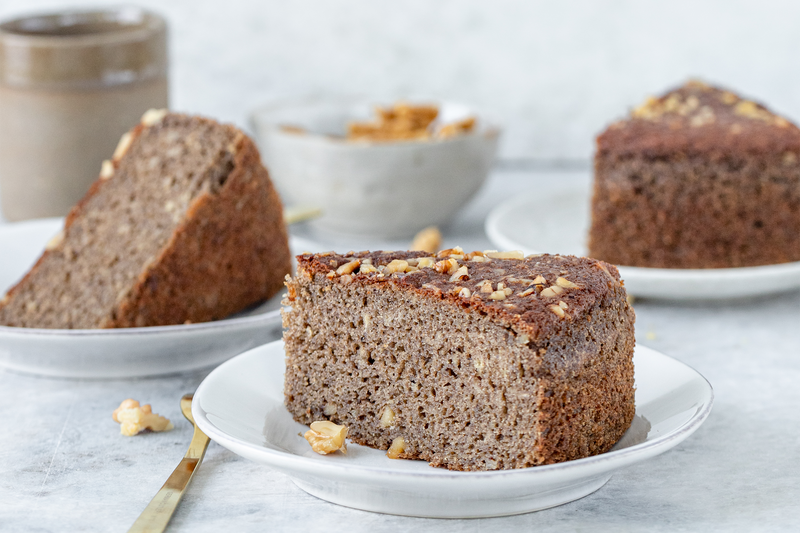
- Banana Walnut Cake: Made with banana purée, ragi, walnuts, and water-chestnut flour. Banana and walnuts contribute flavour and a variety of nutrients.
- Carrot Cake: Made with ragi and flax seeds. Carrots provide beta-carotene, while the other ingredients contribute texture and variety.
- Black Carrot Cake: Ragi, wheat, jaggery, mixed seeds, and cow ghee create a flavourful treat with a distinctive ingredient combination.
- Beetroot Cake: Beetroot, coconut, and jaggery create a moist, rich cake with a naturally earthy flavour.
- Pumpkin Cake: Homemade pumpkin purée and cinnamon create a soft, spiced treat.
- Hazelnut Chocolate Cake: Cocoa, toasted hazelnuts, homemade hazelnut butter, and a whole-wheat base create a rich dessert with a nutty flavour.
- Mango Cake: A fruity mango-based treat with a bright, fresh flavour.
🧁 Muffins, Brownies & Cookies
- Hazelnut Chocolicious Muffin: Hazelnuts, hazelnut butter, and whole grains combine in a flavourful treat.
- Pumpkin Splash Muffin: Homemade pumpkin purée and cinnamon create a soft, gently spiced snack.
- Banana Walnut Muffin: Ripe bananas and walnuts give this muffin a moist texture and nutty flavour.
- Walnut Brownie: A rich brownie made with ragi flour and walnuts.
- Gluten & Sugar-Free Dark Chocolate Brownie: Ragi, dates, dark chocolate, and pumpkin seeds create a rich chocolate treat. Check the current product information for dietary suitability.
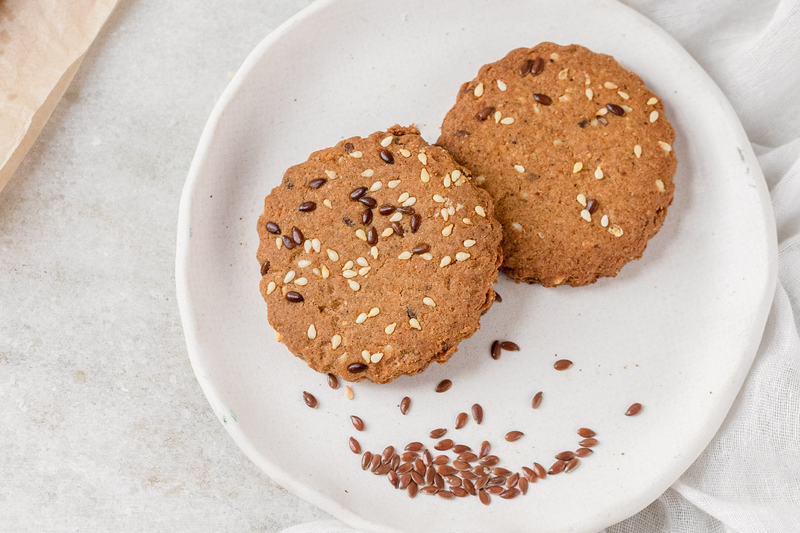
- Sesame Barley Ojas Cookies: A distinctive combination of grains, sesame, and ghee.
- Millet Cookies: Made with bajra, ragi, jowar, khand, and elaichi for a grain-based snack with a hint of cardamom.
🫖 Ayurvedic Drinks, Teas & Coffee
- Turmeric Latte: Warm milk blended with turmeric for a comforting drink with a gently spiced flavour.
- Gond Katira Mint Cooler: Tulsi seeds, mint, lemon, and shakkar combine in a refreshing drink.
- Takra Buttermilk: An Ayurvedic-inspired buttermilk drink that can be customised with herbs and spices for different dosha preferences.
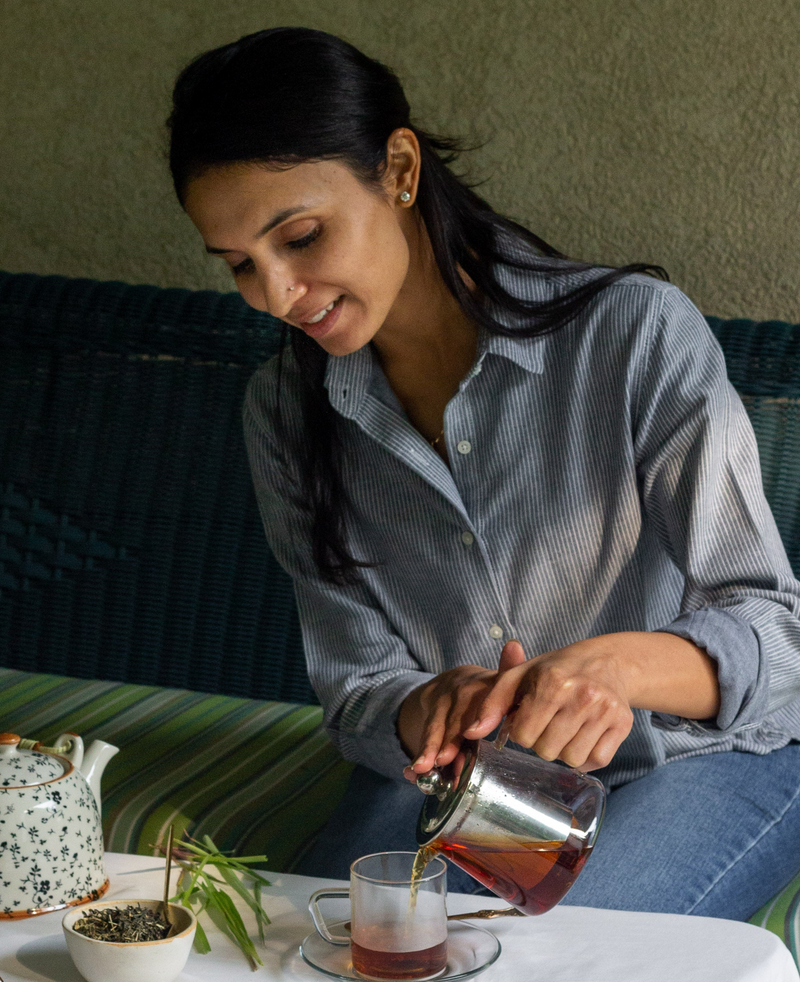
- Suprabhat Chai Green: Darjeeling green tea blended with tulsi, mulethi, black pepper, and brahmi leaves for a distinctive herbal flavour.
- Ratri Chai: A caffeine-free blend featuring ashwagandha, brahmi, shankhpushpi, tulsi, guduchi, and lemongrass.
- Desi Masala Chai: Black tea combined with cinnamon, cardamom, black pepper, and ginger for a warming, aromatic drink.
- Black Coffee With Ghee: Coffee paired with ghee for a richer texture and distinctive taste.
Explore the Café Swasthya menu to discover available dishes, drinks, and snacks.
FAQs
1. What makes an Ayurvedic restaurant different?
An Ayurvedic-inspired restaurant draws on Ayurvedic principles when presenting food, ingredients, spices, and drinks. The dining experience may focus on variety, mindful choices, and different preferences.
2. What is prakriti in Ayurveda?
Prakriti refers to a person's natural constitution in Ayurvedic tradition. It is used within Ayurveda to discuss individual tendencies and approaches to food and lifestyle.
3. Can I find familiar Indian dishes?
Yes. You can explore familiar dishes such as paratha, khichdi, dal, thali, and chai prepared with a variety of ingredients and spices. Check the Café Swasthya menu for current options.
4. Are there vegan options?
Some dishes may be adaptable, but ingredients such as paneer, milk, ghee, and butter are not vegan. Ask the café team about available vegan options and ingredient substitutions before ordering.
5. Are desserts available?
The menu includes a variety of cakes, muffins, brownies, and cookies made with ingredients such as ragi, nuts, fruits, seeds, and jaggery. Check the current menu for availability and ingredient details.
6. Can drinks be customised?
Some beverages may offer ingredient choices or variations. Ask the café team about available customisation options, including herbs and spices in drinks such as takra.
7. Is Ayurveda only about healthy food?
No. Ayurveda also considers daily routines, lifestyle, and individual constitution. Food is one aspect of this broader traditional approach to wellbeing.
Making Everyday Dining Feel More Personal
Food feels more meaningful when you understand what goes into it. Ayurvedic food principles can provide one way to explore ingredients and eating habits without making everyday dining complicated.
- Choose seasonal ingredients when possible.
- Add variety through vegetables, grains, pulses, nuts, and seeds.
- Explore herbs and spices to bring more flavour to everyday meals.
- Choose meals that feel satisfying and suit your dietary preferences.
- Visit an aesthetic cafe where the atmosphere makes your meal enjoyable, too.
- Explore Ayurvedic-inspired food options in Delhi when looking for varied, mindful dining choices.
- Ask the café team about ingredients and any available dosha-inspired options.
Want to make your next meal more mindful, balanced, and enjoyable? Visit Café Swasthya and explore food, drinks, and snacks with a personal touch.